How Super Spinner Pinball found a playfield camera that could keep up.
Pinball is fast, physical, unpredictable, and strangely hard to capture on video.
The ball moves quickly. The playfield reflects light. Venues are often dark. And in tournament settings, the camera setup may need to move from one machine to another throughout the day.
For Super Spinner Pinball, based in Western Massachusetts, that challenge is part of the fun.
What started as a love of pinball has grown into a regular streaming setup covering tournaments, events, and the community around the game. With a background in live video production, including sports work for Double-A baseball and ESPN2, Bryan Hunter, the creator behind Super Spinner Pinball, already understood the fundamentals of live production.
But pinball brings its own rules.
“The playfield camera needs to be the best one,” says Bryan. “Frame rate is extremely important. You want the smoothest ball path.”
That search led him to BirdDog MAKI Ultra 12x.
Following the Ball.
In a pinball stream, not every angle has to be perfect. A player camera, score camera, or room shot can do the job at lower resolution.
The playfield camera is different.
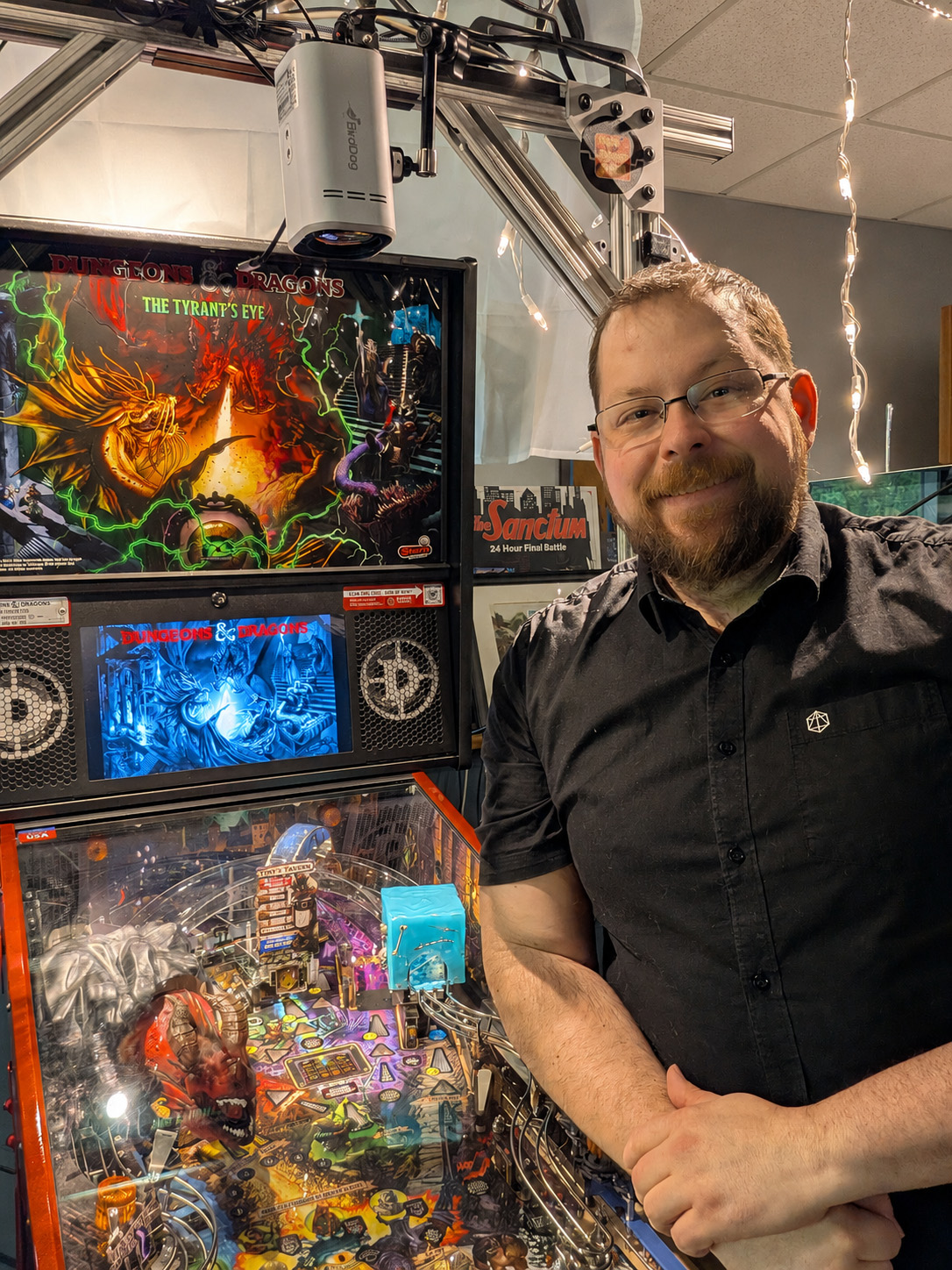
It is the main event. It has to show the machine clearly, handle changing light, and keep the ball visible as it moves across the playfield. For Super Spinner Pinball, that meant looking for cameras that could deliver at least 60 frames per second so the ball would move smoothly on screen. On his own site, Bryan also points to low-light ability as a key requirement, especially because bars and arcade spaces can be dark.
MAKI Ultra stood out because it delivered the mix he needed: smooth motion, strong image control, practical zoom, and flexible output options.
“There is a lot I like about the BirdDog MAKI Ultra 12x,” Bryan says. “The User Interface of the settings is just phenomenal… The NDI just works.”
That kind of detail matters in a setup where every venue is different.
A Rig Built to Move.
Super Spinner Pinball’s rig is designed to move.
Built on an aluminium frame with casters, the setup can be rolled from machine to machine during events. That makes portability essential, but it also creates trade-offs around power, cabling, wireless transmission, and setup time.
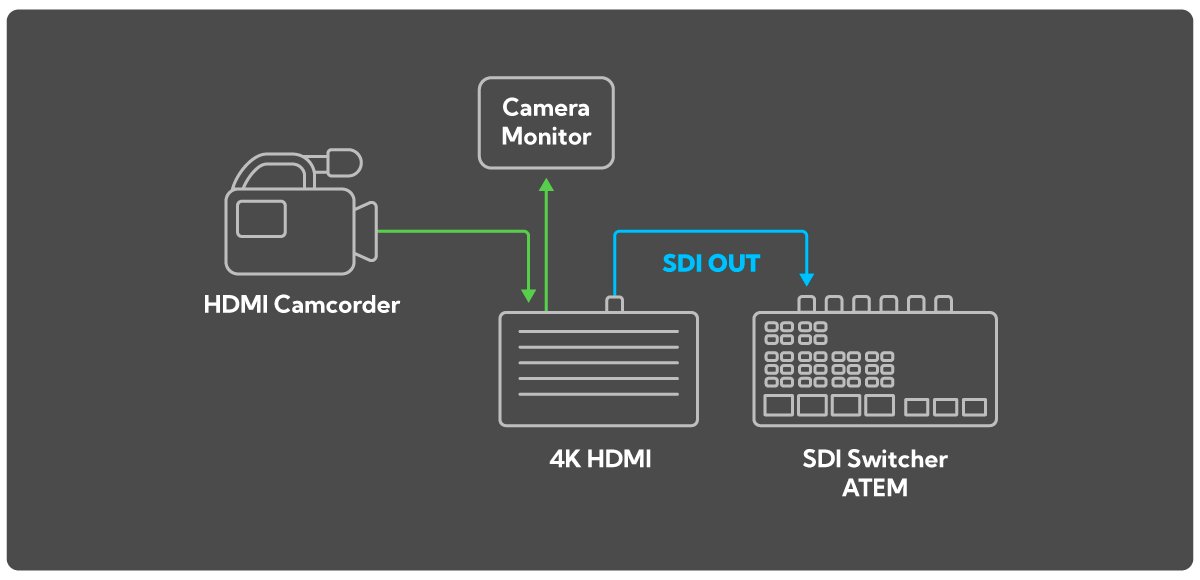
The current workflow uses HDMI into a YoloBox, with MAKI Ultra powered by an external battery. For shorter tournaments, that works well. For longer events, power becomes a practical consideration, as streams can run for many hours with only short breaks.
This is not a perfect studio setup. It is a real production environment, with real constraints.
And MAKI Ultra fits because it gives him options.
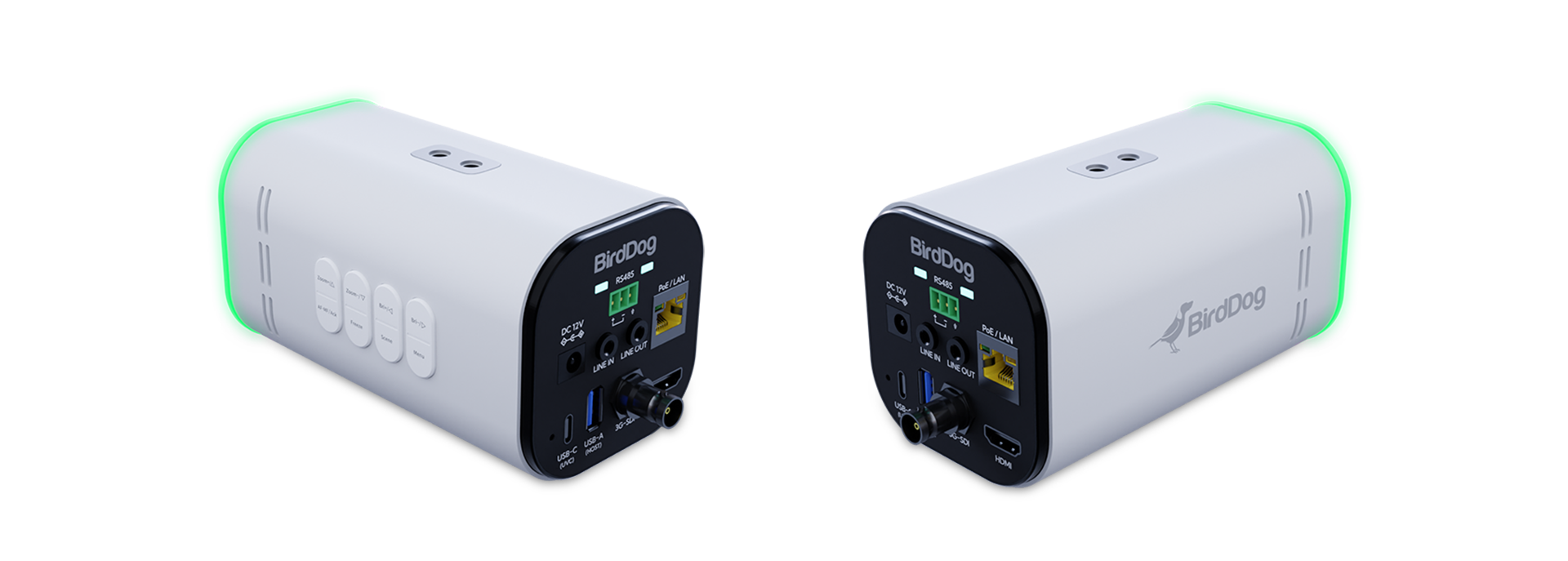
HDMI, SDI, UVC, and NDI all worked reliably in his testing, with multiple outputs available at the same time. On the network side, he specifically called out the ability to fine-tune bitrate for optimal frame rate, which is especially useful when trying to preserve smooth motion.
Seeing the Ball Clearly.
For pinball, image quality is not just about looking good. It changes the viewing experience.
If the ball stutters, viewers lose the action. If the image is too dark, they lose the playfield. If the framing is off, the stream becomes harder to follow.
MAKI Ultra helped solve those problems in a practical way.
“So far this has been the most clear refresh for watching the ball traverse the playfield,” Bryan says, adding that Shutter Priority and Bright mode helped in darker rooms.
The physical controls also mattered. The large buttons and included IR remote made it easier to adjust settings or frame the shot without constantly going back to a laptop or rebuilding the rig.
That is the kind of small detail that matters when you are setting up quickly in a busy venue.
Conclusion.
For Super Spinner Pinball, MAKI Ultra did not change what the stream was trying to do. It simply made the hardest shot easier to capture.
The ball looked smoother. The playfield was clearer. The camera could be adjusted quickly from venue to venue. And the setup still worked with the portable rig Bryan had already built.
That is the real value.
In a workflow where every event is different, the best camera is not always the biggest or most complex one. It is the one that helps you get the shot, keep moving, and stay focused on the stream.
As Bryan puts it, if he were mounting a playfield camera permanently over a machine, MAKI Ultra “would be a great camera for it.”
Because when the ball moves fast, the camera has to keep up.