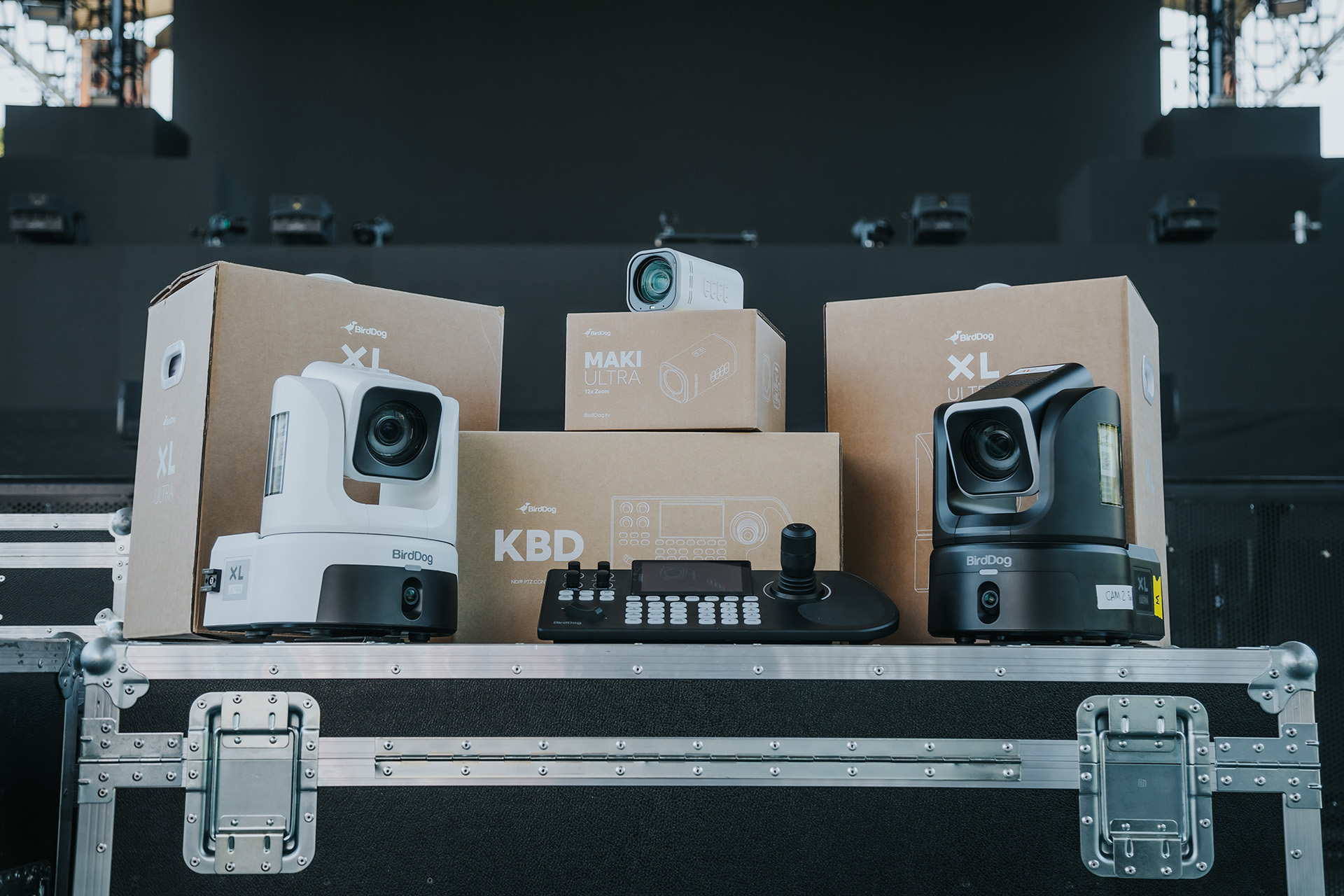
Four XL Ultra cameras introduced the production team to PTZ for the first time, delivering flexible coverage from multiple positions on one of Kappa FuturFestival’s principal stages. A Smiling Sisters video project, produced by Elephant Studio.
Every summer, Kappa FuturFestival transforms Turin’s Parco Dora into one of Europe’s most distinctive electronic music venues. Its combination of monumental post-industrial architecture, international artists and six stages creates a remarkable setting, but also a demanding environment for video production.
For the 2026 edition, the festival took another significant step forward in the way it captured and distributed content.
After seeing strong growth on its YouTube channel following the previous year’s coverage, the production expanded to 12 hours of filming each day across three principal stages. Over three days, the team recorded 68 complete artist sets while also creating short multicamera edits for artists shortly after their performances.
On the Futur Stage, four BirdDog XL Ultra cameras became part of a mixed-camera production designed to capture the scale of the venue, the energy of the crowd and closer views of the artists.
A bigger content operation
As Kappa FuturFestival has grown, so has the value of extending the experience beyond the audience attending in person.
“The YouTube channel grew very quickly after last year’s production, so for 2026 we decided to build a much bigger broadcast-style operation”, explains Thomas Pizzinga, Creative Director at Elephant Studio. “We filmed for 12 hours across three of the main stages and captured 68 complete sets in three days.”
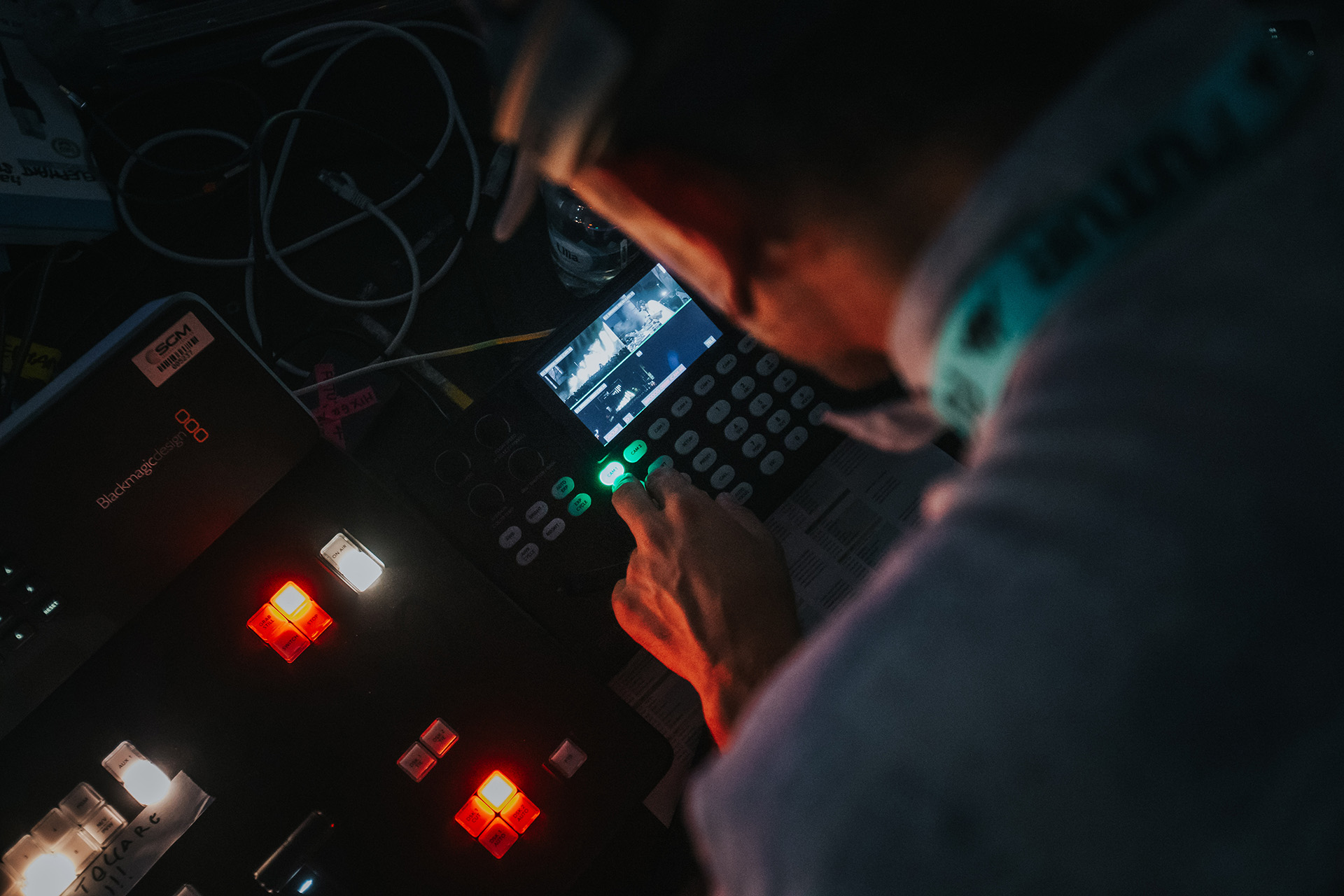
The content followed two paths. During the festival, the program output and isolated camera feeds were sent to an editor in the media room, allowing short multicamera clips to be prepared and delivered to artists within approximately an hour of each performance.
The complete recordings then entered a longer post-production and approval process, creating a growing library of full performances for release through the festival’s YouTube channel.
A first experience with PTZ
The Futur Stage combined four XL Ultra PTZ cameras with Blackmagic cameras, handheld cameras and drone footage.
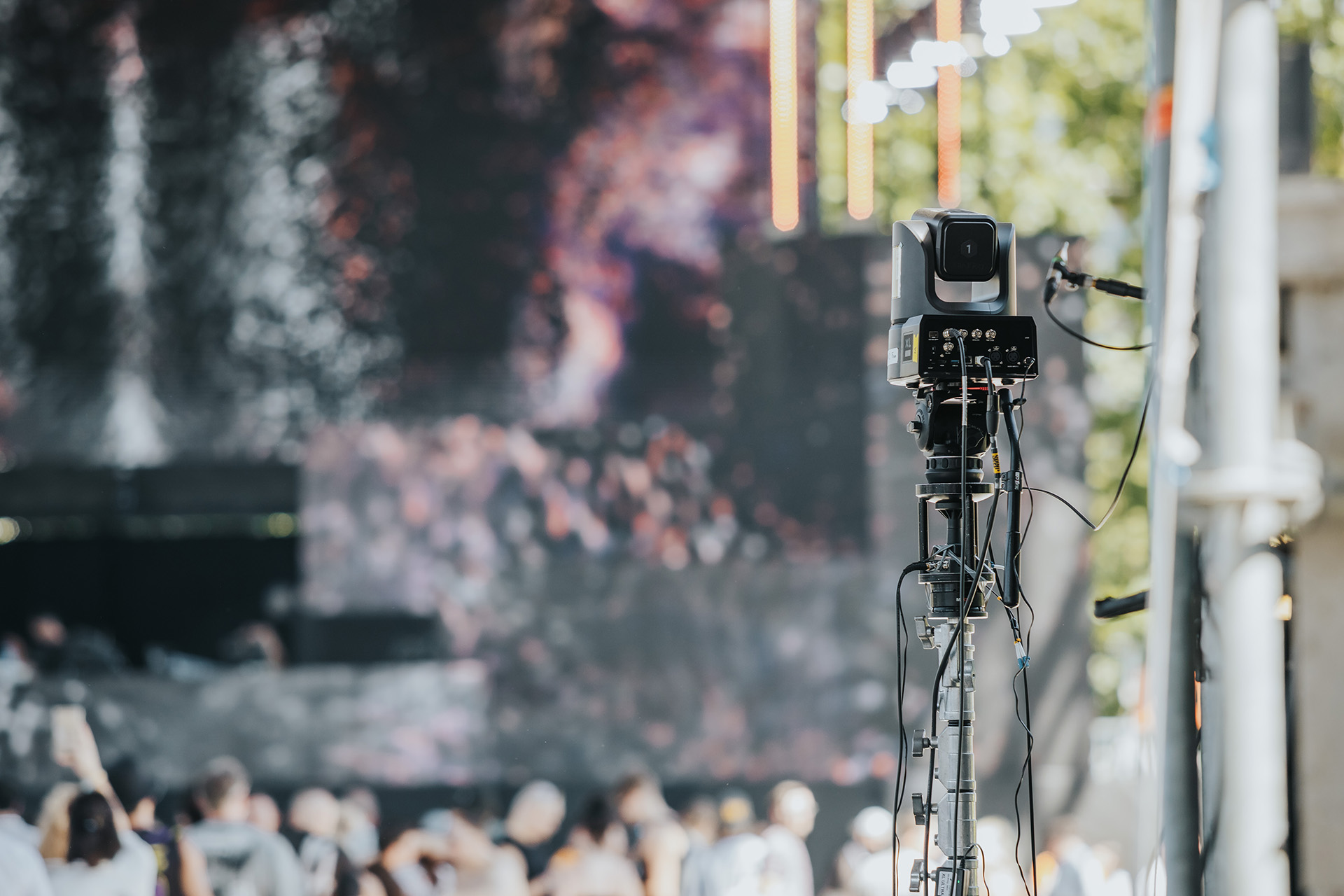
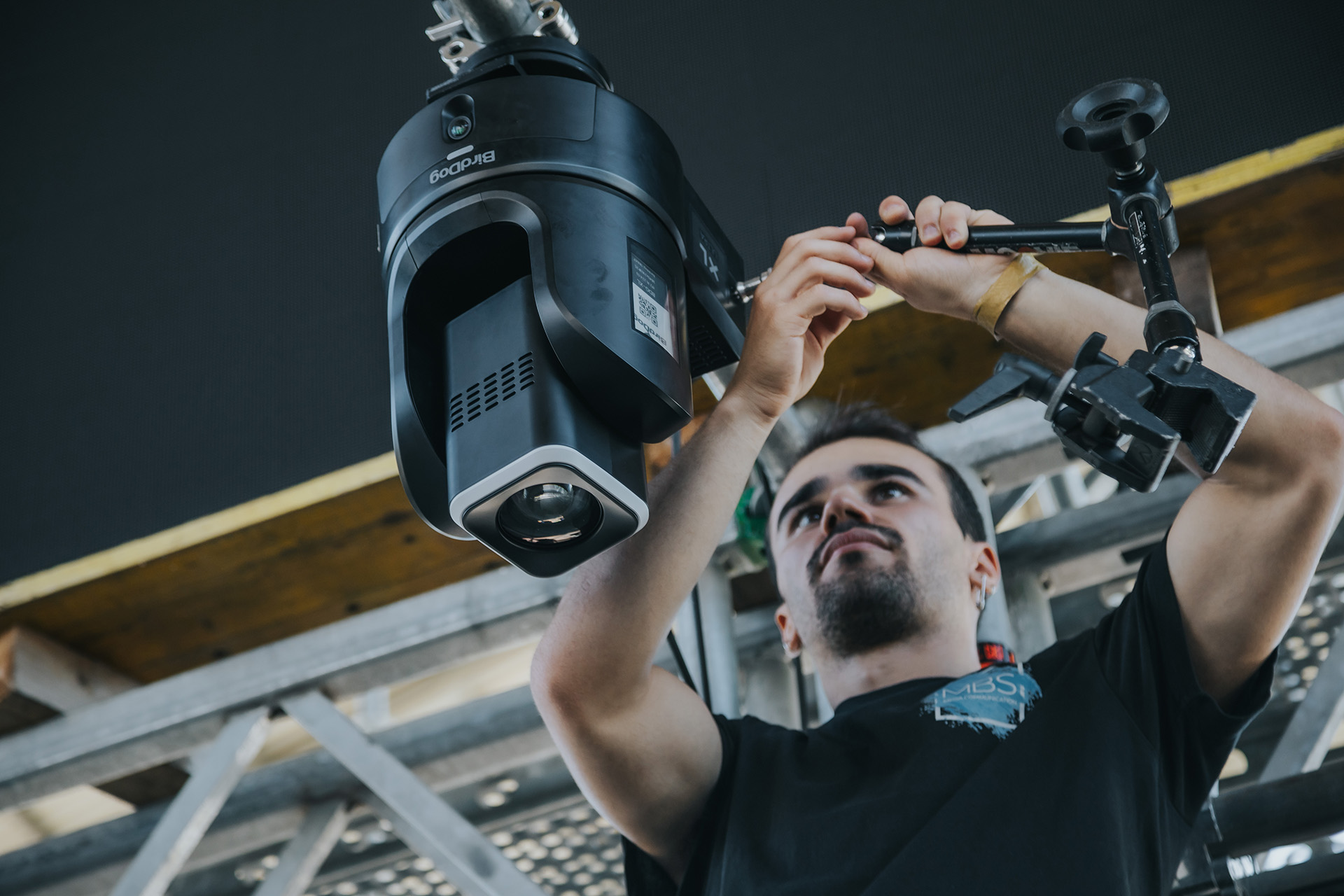
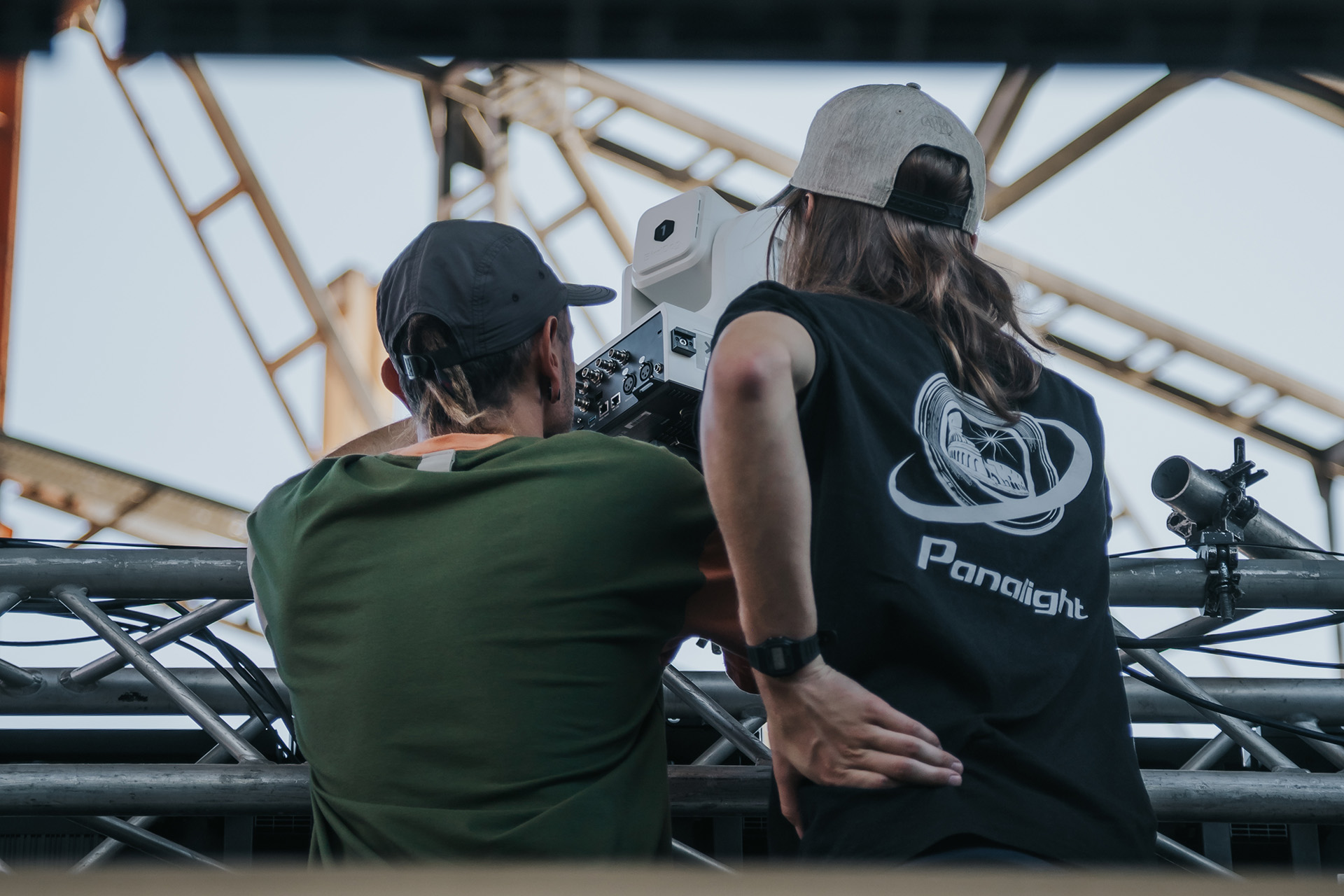
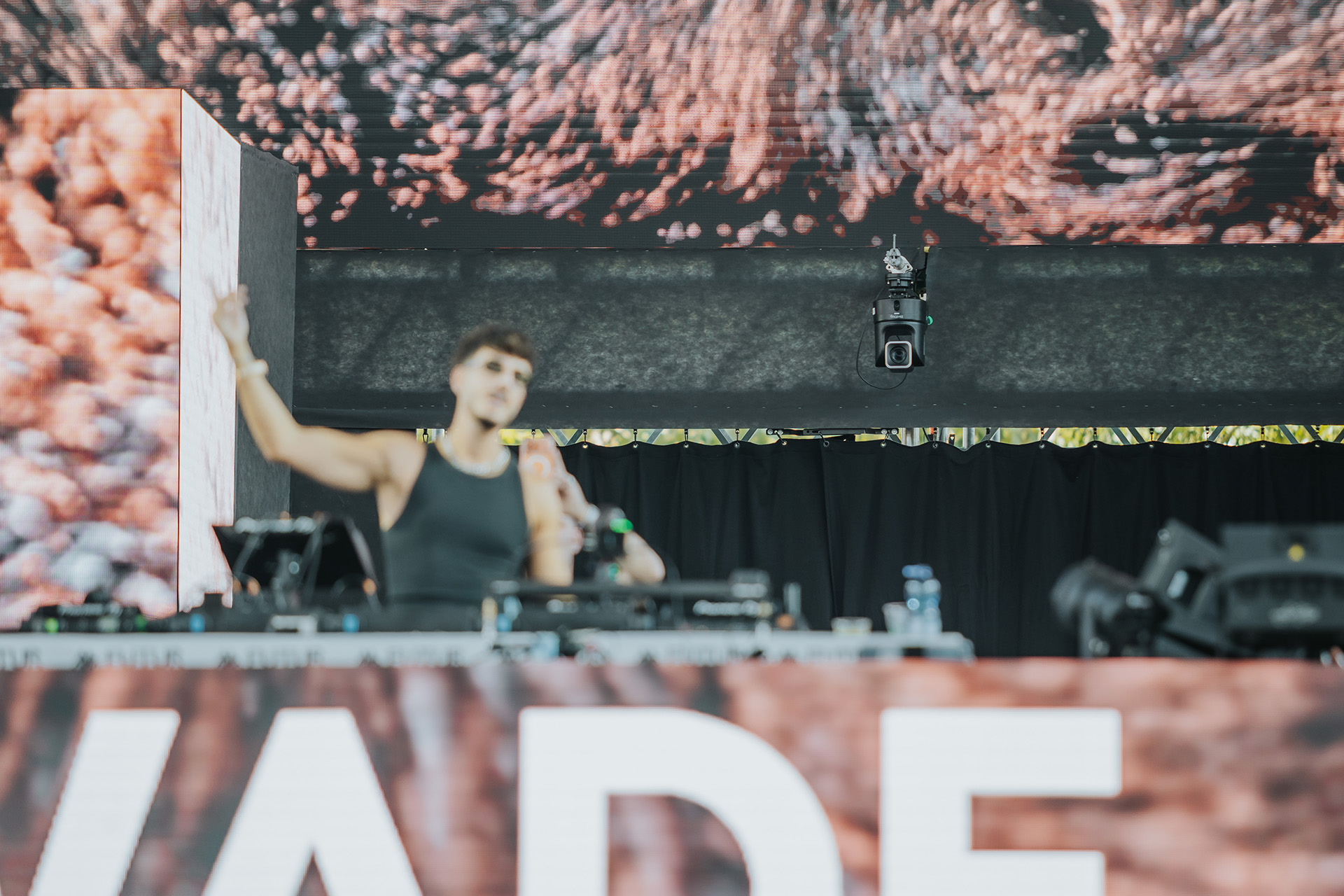
The XL Ultras were positioned at the front, side and rear of the performance area, providing everything from wide establishing views to tight shots of the DJ. A camera mounted well back from the stage became particularly valuable, with its optical zoom allowing the operator to move between a broad view of the venue and close framing of the artist.
It was the production team’s first time working with PTZ cameras.
“Having control of the lens and being able to zoom in and out remotely was incredibly useful,” says Pizzinga. “Once the controller was connected, it was very fast to switch between cameras, adjust the shots and get the framing we needed.”
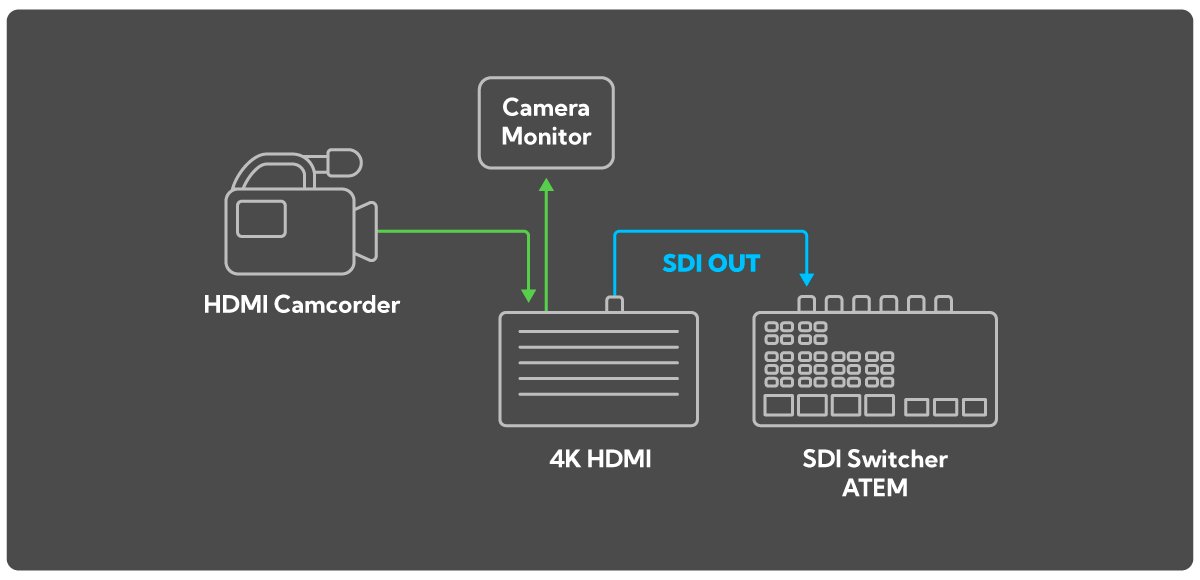
The XL Ultras were integrated into the festival’s existing Full-HD SDI and fiber infrastructure. This allowed the team to add remotely operated camera positions without redesigning the wider production system already deployed across the site.
It also enabled them to create more useful angles without placing a dedicated operator at every camera position. Remote pan, tilt and zoom control meant each XL Ultra could be repositioned throughout a performance rather than remaining on a single fixed shot.
Challenging light, consistent results
The Futur Stage presented one of the festival’s most difficult imaging environments.
Part of the performance area sits beneath a large industrial roof, placing the artist in deep shadow during the day while the buildings and open areas behind the stage remain exposed to intense Italian summer sunshine. As daylight faded, the production moved into a completely different environment dominated by stage lighting and high-contrast visual effects.
It was a significant test for any camera, particularly in a production combining PTZ and cinema-style cameras with different sensor and lens systems.
“The stage was probably the most difficult one we could have chosen,” says Pizzinga. “During the day, the artist could be in shadow while the buildings behind the stage were reflecting bright summer sunlight. Once we had established the correct exposure, the cameras worked well.”
The feeds were recorded externally in ProRes, giving the post-production team the flexibility to balance the different camera systems and create a consistent final look.
Despite the difficult conditions and limited setup time, the XL Ultra footage could be integrated with the other cameras throughout the finished performances.
Looking towards the next stage
The festival’s ambition is to extend this level of production across more of its stages in future editions. Following the team’s first experience with PTZ, discussions have already begun around producing an entire stage with BirdDog cameras.
“I think there is a stage we could build entirely around BirdDog cameras next time,” says Pizzinga. “Having the same camera system throughout the setup would make matching and configuration easier and we could get even more from them.”
For Kappa FuturFestival, the 2026 production created a substantial pipeline of content capable of extending the life and reach of the event for months after the final performance.
For the production team, it also demonstrated what PTZ cameras could add to an ambitious festival workflow.
“I think it’s a really good product,” concludes Pizzinga. “As with any camera, the more time you spend learning how to use it, the more you can get from it. We tested it in one of the most difficult environments possible and we came away with a result we’re happy with.”