For Aragón TV, outside broadcast production is increasingly about finding the right balance between traditional broadcast quality, operational flexibility and speed of deployment.
The Spanish regional broadcaster has a long history of working with professional production technology, but like many broadcasters, its workflows are evolving. IP video, NDI and compact cameras are becoming an increasingly useful complement to traditional broadcast infrastructure, particularly for remote locations, specialist camera positions and productions where flexibility matters as much as raw scale.
That evolution led Aragón TV to BirdDog O4.
“We were looking for an outdoor PTZ camera that could genuinely work as part of our broadcast environment,” explains Carlos Martín, Head of Broadcast Operations at Aragón TV. “Until now, most of the options we had seen were either significantly more expensive or involved putting an indoor PTZ inside an external weatherproof housing, which immediately makes installation and connectivity more complicated.”
When the team discovered O4, they contacted Midwich Iberia and arranged an evaluation. Alongside two O4 cameras, they also tested an X4 Ultra and MAKI Live.
The O4 cameras quickly moved beyond testing.
From Evaluation to Live Production
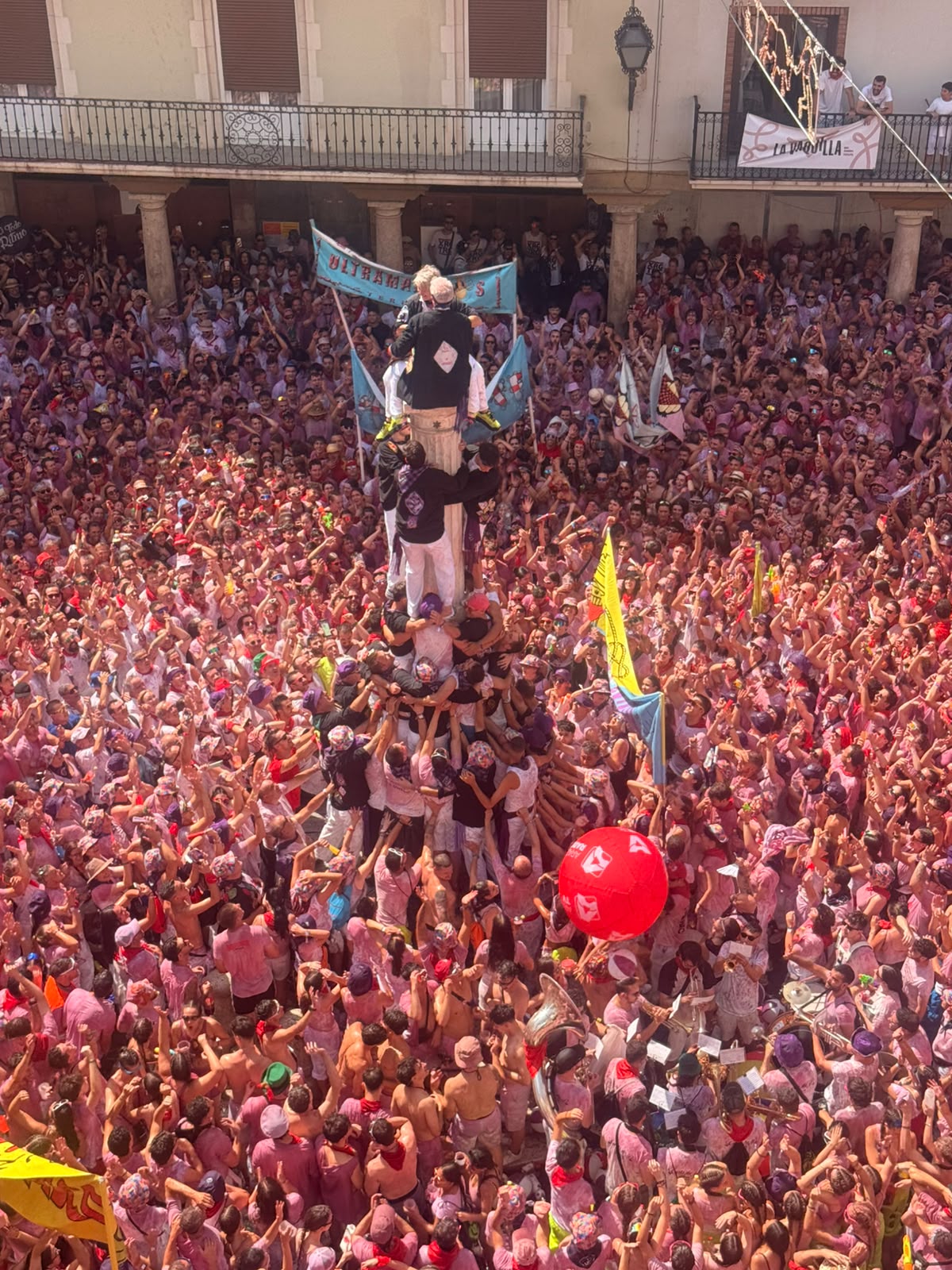
Within little more than a month of receiving the cameras, Aragón TV had already deployed them across several productions, including coverage of the Fiestas del Ángel in Teruel.
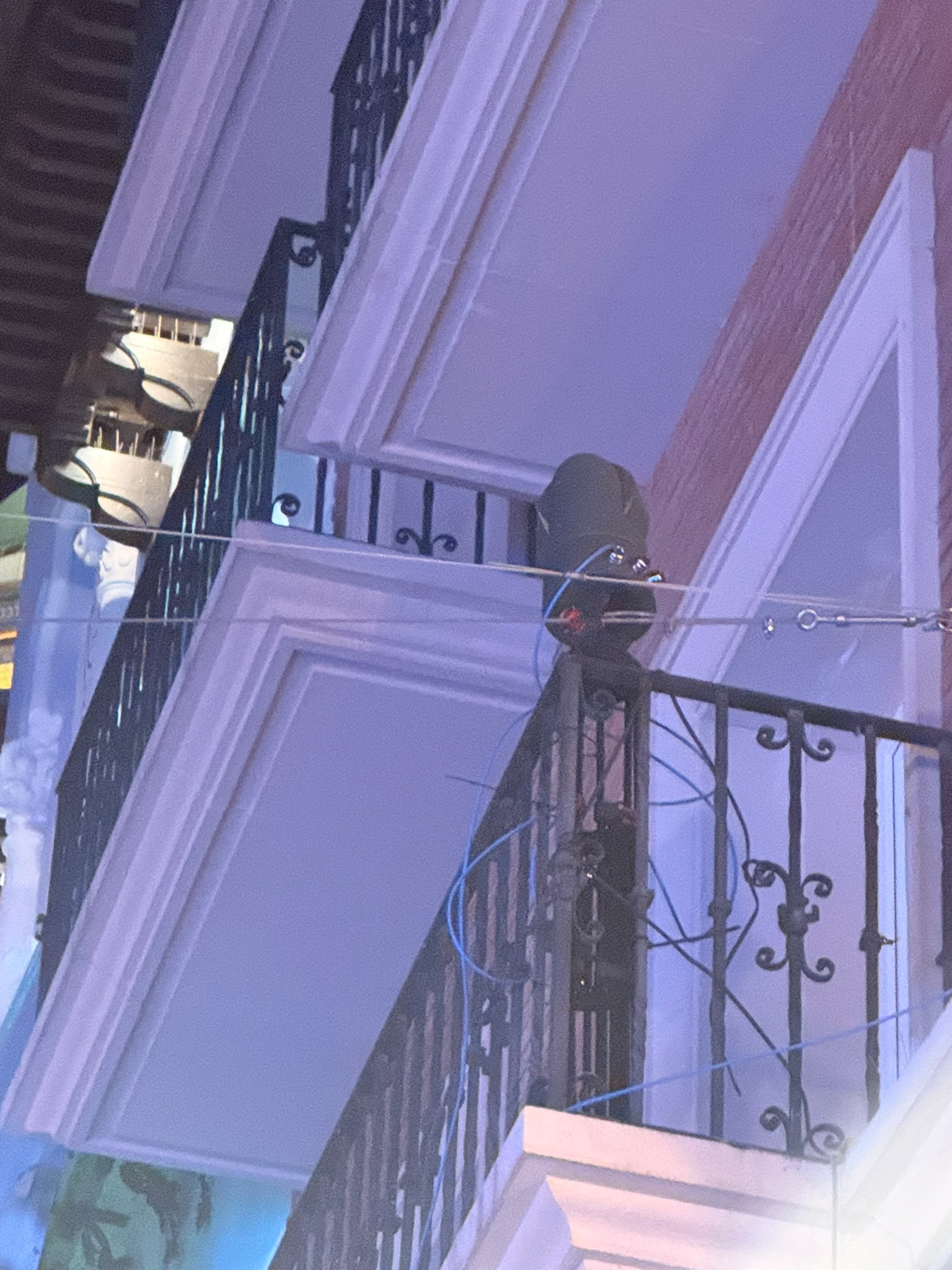
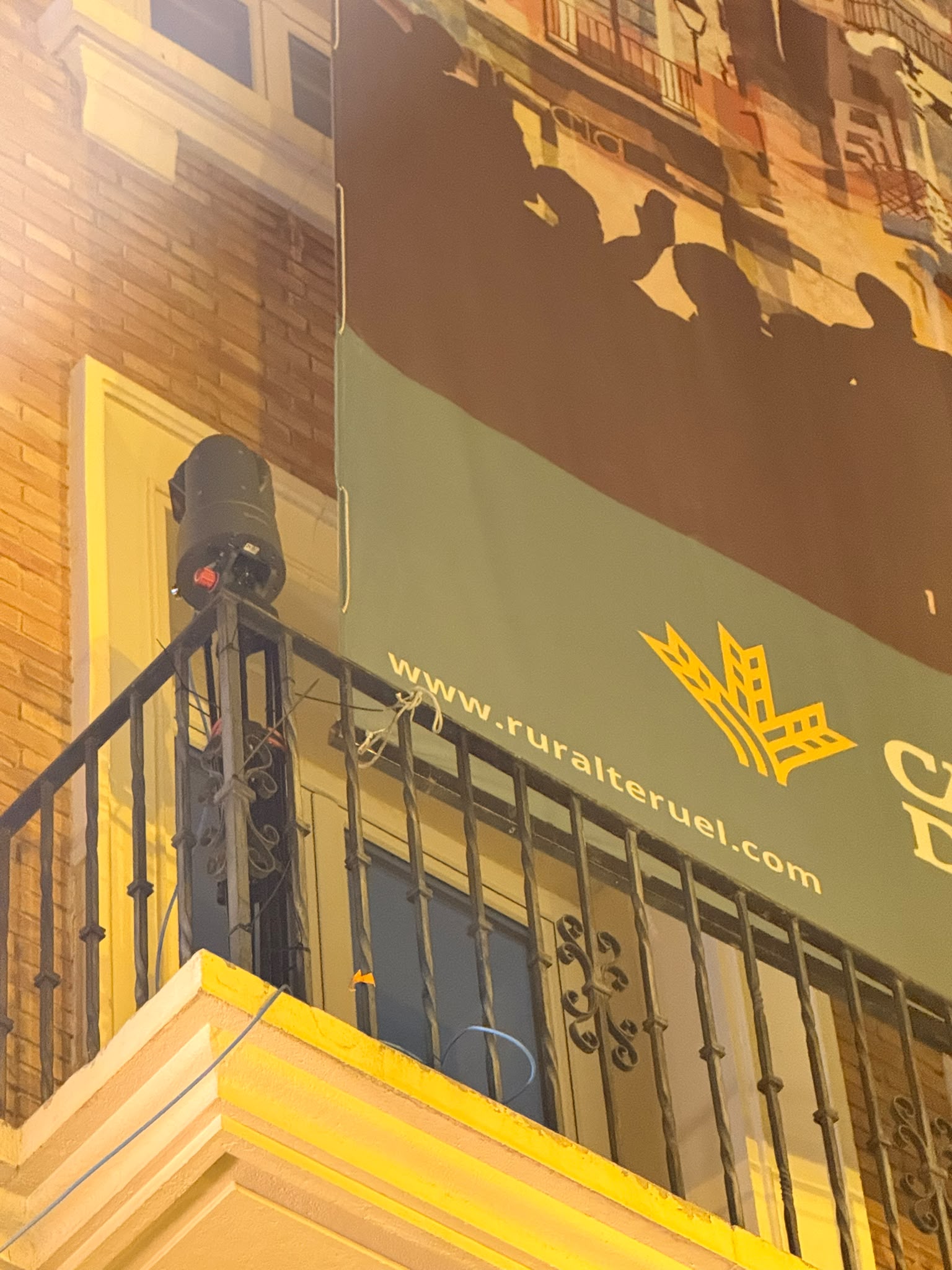
For the event, O4 cameras were positioned around the city’s main square to provide additional angles of the celebrations.
The installation itself highlighted one of the advantages Aragón TV was looking for.
A fibre connection was run from the outside broadcast vehicle to a remote PoE++ network switch. From there, standard Ethernet cables carried power, video and control to the cameras.
“For this type of outdoor deployment, being able to do everything over the same Ethernet connection makes the installation much easier,” Martín explains. “You are not running separate cables for power, control and video. You connect it and you are ready to work.”
The cameras were controlled locally from the outside broadcast unit while it was on location and could later be controlled remotely from Aragón TV’s facilities in Zaragoza.
NDI and SRT at the Same Time
One of the most valuable capabilities during the Teruel production was O4’s ability to support multiple simultaneous video workflows.
During key events, Aragón TV used NDI to bring the O4 feed into the outside broadcast vehicle while simultaneously generating an SRT stream back to Zaragoza for distribution through the broadcaster’s OTT platform.
“The ability to have NDI for the mobile unit and SRT going back to Zaragoza at the same time was extremely useful,” says Martín. “That flexibility is exactly what we need in this type of production.”
Once the outside broadcast vehicle had left the location, the cameras continued operating remotely, with SRT used to bring video back to Zaragoza.
The O4 units remained powered and operational continuously from approximately midday on Saturday until Tuesday morning.
“They were running continuously for several days without stopping in Aragon TV OTT platform, AragonPlay.es” Martín says. “At different points we were using NDI and SRT simultaneously, and the cameras performed very well.”
Making IP Cameras Fit the Broadcast Cameras
For Aragón TV, connectivity alone is not enough. Any additional camera introduced into a professional production also needs to look like it belongs there. “The ability to control the colorimetry was fundamental for us,” Martín explains. “It meant we could match O4 with the other cameras in the outside broadcast unit.”
That is particularly important when compact or specialist cameras are being mixed with traditional broadcast systems. A camera may deliver a good image on its own, but if its color cannot be adjusted sufficiently, differences become obvious as soon as the director cuts between sources.
With O4, Aragón TV was able to tune the image so that it integrated naturally with the rest of the production.
The team tested BirdDog KBD for direct camera control and also verified compatibility with its existing CyanView control environment, which allows operators to manage cameras from multiple manufacturers through a common interface.
“For us, that integration is important,” Martín says. “We can use the BirdDog controller, but we can also bring the cameras into the same control environment as the rest of our systems. That makes them much easier to use in a real broadcast workflow.”
Broadcast is Changing
The need for more flexibility is a broader change Aragón TV sees across the industry. “There was a time when broadcast production meant using a very small number of traditional camera manufacturers for almost everything,” Martín says. “That has changed.”
Productions increasingly demand faster deployment, greater mobility and more camera positions, often without the cost or complexity associated with traditional broadcast systems.
“Not every production needs the biggest and most expensive equipment available,” he continues. “There are situations where flexibility and speed are more important, and products like these become very useful as part of the wider broadcast system.”
That does not mean compromising professional requirements.
For Aragón TV, O4 works because it combines those new operational benefits with the characteristics required to integrate into a traditional production environment: strong 4K image quality, outdoor construction, professional connectivity, remote control and detailed image adjustment.
The team has also been impressed by the camera’s AI tracking.
“The tracking worked very well from the beginning,” Martín says. “When you compare it with tracking systems in significantly more expensive cameras, the performance is impressive.”
A New Tool in the Broadcast Kit
Aragón TV is still at the beginning of its experience with O4, but the cameras have already moved from evaluation units to working production tools.
“We have only had them for a short time, but they have already been used several times and we expect to use them much more,” Martín says.
For Aragón TV, the appeal is not that O4 replaces the traditional broadcast camera. It is that it gives the production team another option.
A camera that can sit in an exposed outdoor position for days, operate over a single network connection, deliver NDI and SRT simultaneously, be controlled remotely and still match the rest of the cameras involved it opens up production possibilities that would previously have required significantly more equipment.
As broadcast workflows continue to become more distributed and IP-driven, that flexibility is becoming increasingly valuable.
“O4 fits very naturally into that new way of working,” Martín concludes. “It gives us another tool that we can integrate into the production and use wherever it makes sense.”
Learn more about Aragón TV